
Vision Statement
 Artificial Intelligence is poised to become one of the most transformative tools in education—on par with the introduction of the internet or the personal computer. As a division that has long embraced technology to enhance teaching and learning, we recognize that AI offers the potential to reduce friction in our workflows, amplify creativity, and enable truly personalized learning. But this is not about replacing educators or removing the human element. Rather, AI gives us a new way to empower teachers, create more space for connection, and reimagine how learning can happen. The classroom remains a deeply human space, and AI is one more tool we can use to make it stronger, more responsive, and more engaging.
We are entering a new era—one marked by the integration of intelligent systems into everyday teaching and learning. Our classrooms and workflows will evolve, and so must our professional mindset. That’s why our approach to AI must be thoughtful, flexible, and rooted in a clear understanding of our values. We want to provide staff with the freedom to explore, experiment, and learn what AI can offer, while keeping guardrails in place that protect student privacy, support critical thinking, and build trust with families. AI use is guided by our division’s broader vision for developing 21st-century skills—creativity, collaboration, communication, and critical thinking. Integrating AI education into our digital citizenship framework will help students engage thoughtfully, ethically, and responsibly with emerging technologies. These guidelines are not about hard lines or rigid rules. They are about defining the sandbox: the space where curiosity and creativity are encouraged, and where educators feel supported to try new things, share what they learn, and grow together.
We also recognize the importance of partnerships in this work. As we move forward, schools are encouraged to engage with families and community members—bringing them into the conversation about AI, its possibilities, and the shared responsibility for safe and meaningful use.
Grade-Level Guidelines
Grades K–4
- Critical teaching: How do we stay safe as we begin exploring AI?
- Examples: Creativity, empathy, and self-awareness, human vs digital connections.
- Objective: Introduce foundational awareness of AI while maintaining a strong emphasis on human connection and play-based learning. AI should be teacher-led and supervised. Students should not use AI chatbots or input personal data into AI tools.
- Approach: Use structured, teacher-led demonstrations to highlight basic AI concepts through storytelling or visual examples. Students do not interact directly with AI tools.
- Resources: Picture books, video models, or interactive classroom tools that emphasize creativity and collaboration, not automation.
 Grades 5–8
- Critical teaching: How are my digital environments formed and influenced?
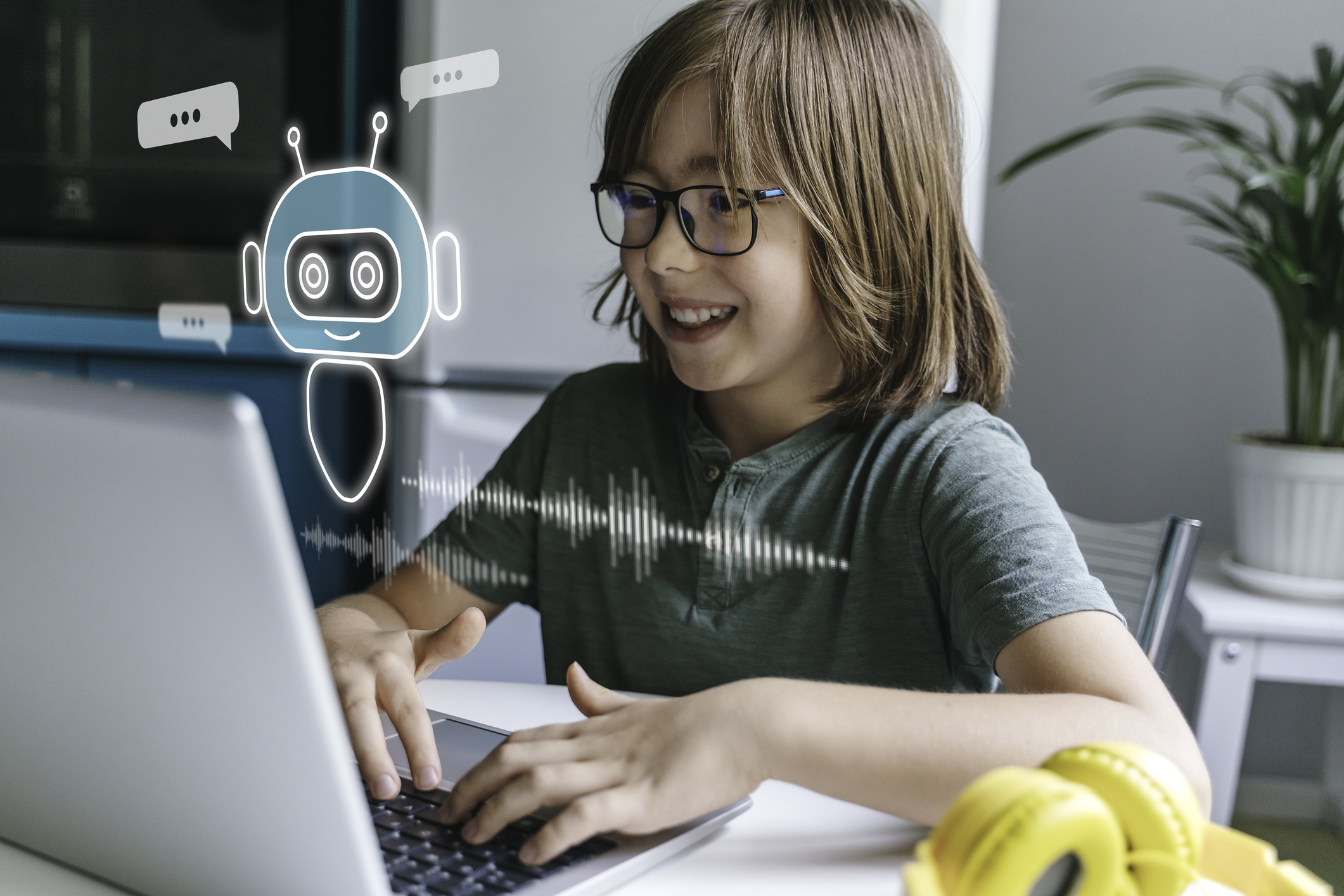
- Objective: Build digital fluency and introduce students to the responsible use of AI as a thinking and learning partner. Encourage critical thinking about technology.
- Approach: AI tools may be used under teacher supervision for brainstorming, exploration, and guided learning activities. AI-generated content is not submitted as
final work. - Resources: Teacher-curated prompts, project scaffolds, structured reflection tools, and guided inquiry activities.
Grades 9–12
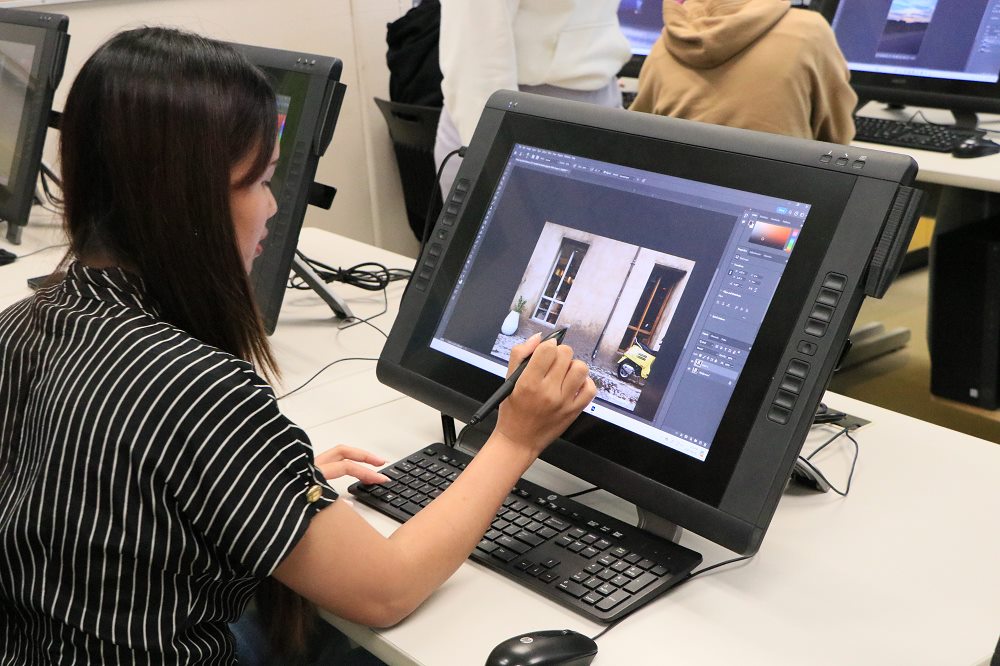
- Critical teaching: How can I leverage different digital tools to meet my goals and develop new solutions to the challenges I face?
- Objective: Empower students to leverage AI in ethical and innovative ways to support their learning, while maintaining academic integrity.
- Approach: Students may use AI to support learning goals, provided usage is transparent and intentional. Teachers set expectations for citation and reflection.
- Resources: Tools for drafting, peer feedback, research assistance, and iterative improvement—alongside clear guidance for responsible use.
All tools must be age-appropriate, privacy-compliant, and listed on the division’s allow list.
Guiding Commitments for AI Use
- AI is here to support, not replace, educators.
- Human relationships remain central to learning.
- Student privacy and safety remain top priorities and should be thoughtfully considered in all decisions involving AI.
- Teachers are trusted professionals and will guide how AI fits into their classrooms.
- We encourage exploration within clearly defined ethical boundaries.
Use of AI by Staff
- Teachers and staff are encouraged to explore AI for tasks such as lesson planning, communication, differentiation, and professional learning.
- Use of AI should not replace professional judgment—particularly in the assessment of student work, reporting, or decision-making.
- Teachers may choose to allow or restrict AI use in student work, based on curricular goals and assessment design.
- When AI tools are incorporated into student learning, teachers are encouraged to support students in evaluating, citing, and reflecting on AI contributions, and to
- consider how assessment practices might be adapted to continue fostering authentic learning.
- AI tools used with students must comply with privacy legislation (e.g., FIPPA), divisional policies, and any vendor agreements.
- When selecting any digital tool educators should ensure they are familiar with the tool’s privacy practices, data handling procedures, and risks.
- Teachers should consider how the tool collects, stores, and uses training data, and ensure that students are instructed on how to protect their personal information while
- using these platforms.
- AI-driven outcomes shall be explainable, with clear accountability for its use.
Student Expectations and Ethical Use
- Students must cite AI when it substantively contributes to their work (e.g., generating content or ideas).
- Students are encouraged to share their prompts as part of the citation process.
- AI should be used to support learning—not replace original thinking or effort.
- Prompts and interactions must uphold respectful and ethical standards.
- Teachers should clarify expectations for AI use in each assignment.
Division-Level Oversight
- A division-wide list of approved AI tools will be maintained to support safe and consistent use.
- The Division may limit or ban the use of specific AI tools or platforms if needed to ensure compliance, safety, or ethical use.
- These guidelines will evolve. They are reviewed regularly to reflect ongoing developments in AI and education.
Closing Statement
Hanover School Division believes AI has the potential to enhance teaching, deepen learning, and prepare students for a rapidly changing world. These guidelines are not the final word—they are a starting point. Our goal is to provide staff with the freedom to explore, supported by shared expectations that ensure AI is used responsibly, ethically, and with the best interests of students.